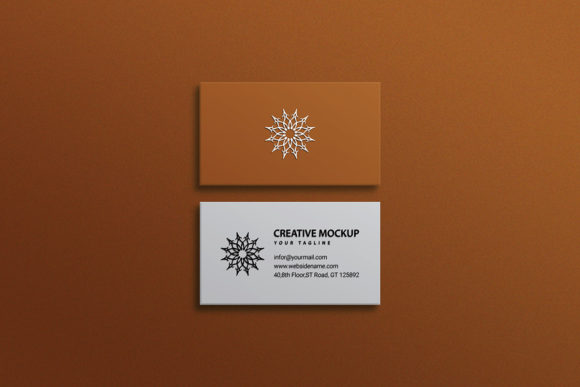
Business Card Mockup and Invitation Mockup: What You Need to Know
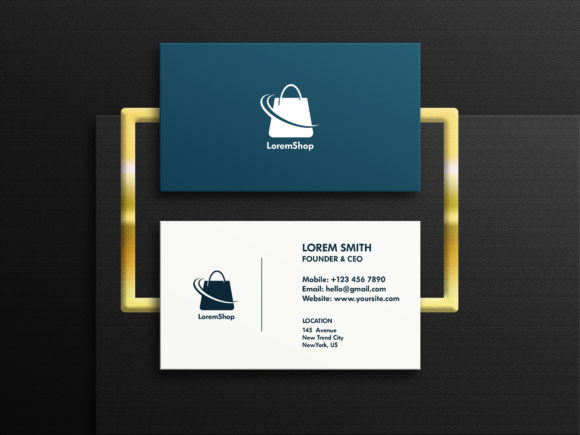
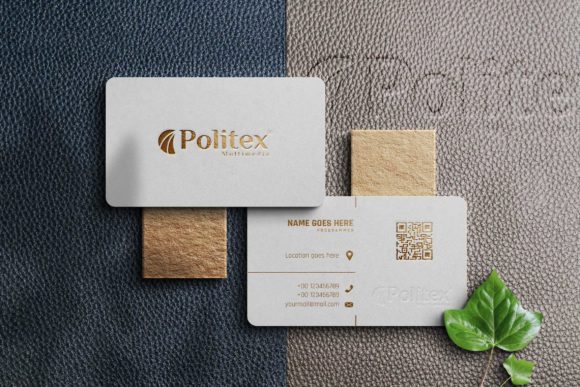
If you're looking to create professional-looking designs for your business cards or event invitations, a Business Card Mockup or Invitation Mockup can be an invaluable tool. These digital templates allow designers and non-designers alike to visualize how their final print products will look in real life. With the right mockup, you can ensure your design is both visually appealing and functional before sending it to print.
Why Use a Business Card Mockup or Invitation Mockup?
Whether you're a small business owner launching a new venture, a marketer preparing for a launch event, or a blogger creating a personalized invitation, a mockup helps you present your design with confidence. It allows you to see how colors, fonts, and layouts will appear on actual cardstock or paper, helping you catch any potential issues before printing.
Most Business Card Mockup and Invitation Mockup files come in high-resolution formats like PSD or JPG, ensuring that your design looks sharp and professional. Some even include smart objects, which make it easy to replace text or images without messing up the layout.
Common Mistakes When Using Business Card Mockup or Invitation Mockup
While mockups are powerful tools, many users make mistakes that can impact the final outcome. Here are some common errors to avoid:
- Ignoring file resolution: A low-resolution mockup may not show the true quality of your design. Always check that your file is at least 300 DPI and meets the required size specifications.
- Using the wrong format: Not all mockups support editable layers. Make sure you choose a format that allows you to edit text and graphics easily.
- Not checking bleed areas: If you're designing for print, bleed areas are crucial. Ensure your design extends beyond the trim line to avoid white edges after cutting.
- Overlooking color profiles: Colors can shift when printed. Always test your design using the correct color profile to match your printer's requirements.
- Assuming one-size-fits-all: Not all mockups are suitable for every design. Choose a template that matches the style, size, and material of your intended print.
How These Mistakes Can Affect Your Results
Making these mistakes can lead to wasted time, money, and resources. For instance, if you use a low-resolution mockup, you might not notice that your design appears pixelated when printed. This could result in a poor-quality product that doesn't reflect your brand's professionalism.
Similarly, ignoring bleed areas can cause your design to be cut off, leaving unsightly white spaces. This not only affects the visual appeal but also undermines the overall effectiveness of your communication.
Choosing the wrong format can limit your ability to customize your design. If you need to change text or add images, a PSD file with smart objects offers more flexibility than a static JPG.
Practical Advice to Avoid Common Pitfalls
To get the most out of your Business Card Mockup or Invitation Mockup, follow these tips:
- Choose the right resolution: Opt for a mockup with at least 300 DPI to ensure your design prints clearly.
- Use the correct file format: Go for a PSD file if you want to edit elements later. JPGs are good for quick previews but less flexible.
- Test your design on multiple devices: View your mockup on different screens to ensure colors and layout remain consistent.
- Check for bleed and trim lines: Make sure your design extends beyond the trim area if you're planning to have it professionally printed.
- Review color profiles: Use CMYK for print and RGB for digital to ensure accurate color representation.
What to Check Before Making a Decision
Before downloading or purchasing a Business Card Mockup or Invitation Mockup, consider the following:
- Compatibility: Does the mockup work with your design software? Most are compatible with Adobe Photoshop, but some may require specific plugins.
- Resolution and size: Confirm that the file meets the required dimensions and resolution for your project.
- Customization options: Can you easily edit text, images, and layout? Smart object support is a big plus.
- License and usage rights: Make sure you're allowed to use the mockup for commercial or personal purposes as needed.
- Customer reviews and support: Look for feedback from other users to gauge the quality and reliability of the mockup.
Realistic Examples and Better Approaches
Let’s say you’re designing a business card for a tech startup. You download a sleek, modern Business Card Mockup that looks great on screen, but when you print it, the colors are dull and the text is slightly blurred. Why? Because the mockup was created in RGB mode, not CMYK. To fix this, you should convert your design to CMYK before exporting and double-check the resolution and bleed areas.
Another example: You're creating an event invitation for a wedding. You choose a Invitation Mockup that includes a background image, but when you place your text over it, it becomes unreadable. The issue here is that the mockup doesn’t allow for proper text layering. To avoid this, opt for a mockup that separates text and background layers so you can adjust them independently.
Conclusion
A Business Card Mockup or Invitation Mockup is a valuable asset for anyone looking to create professional print materials. By understanding common mistakes and learning how to avoid them, you can save time, money, and effort while ensuring your final product looks its best. Always take the time to review your design, check compatibility, and test your mockup thoroughly before sending it to print.